
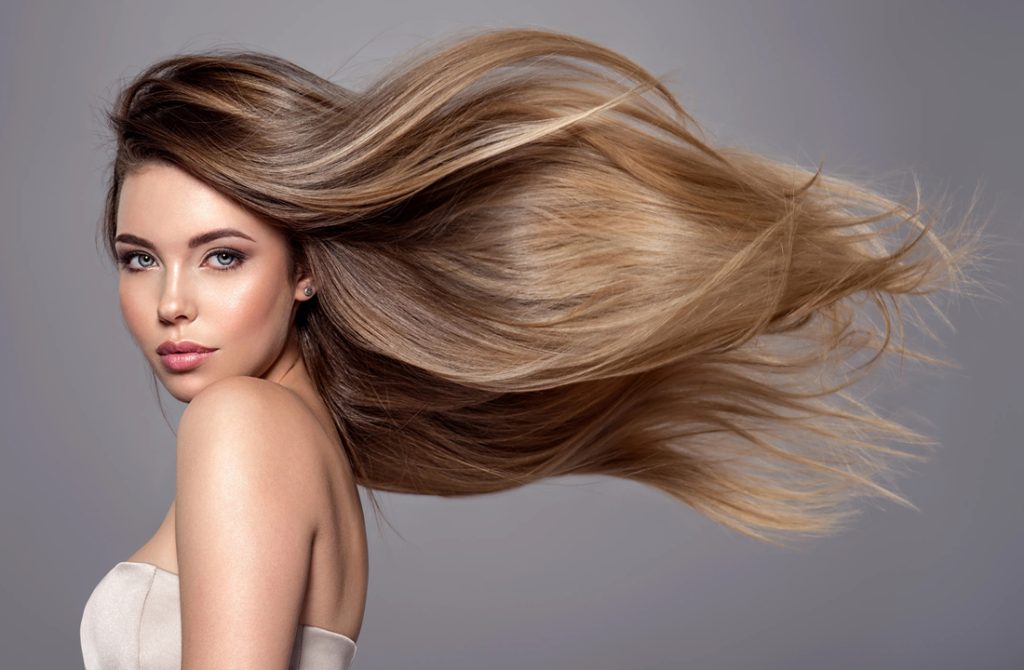
Taking care of hair often feels like a never-ending journey, especially when it comes to maintaining its health and vitality. Hair repair is not just a trend; it’s an essential part of any hair care routine. Damage can come from various sources, including heat styling, chemical treatments, environmental factors, and even everyday wear and tear. Addressing these issues can lead to healthier, more vibrant hair that looks and feels its best.
One of the primary reasons hair repair matters is to restore moisture and nourishment. Hair can become dry and brittle due to factors like heat exposure from blow dryers and straighteners. This dryness leads to split ends and breakage, making it challenging to achieve the desired look. Incorporating deep conditioning treatments into the routine helps replenish lost moisture and provides essential nutrients. Look for products rich in natural oils, proteins, and vitamins to give hair the hydration it craves.
Another important aspect of hair repair involves protecting it from future damage. Regularly using heat protectants before styling can significantly reduce the risk of heat-related damage. These products create a barrier between the hair and the heat source, allowing for styling without compromising hair integrity. Additionally, limiting the use of heat tools can contribute to healthier hair. Embracing air-drying or trying heatless styling methods can make a noticeable difference over time.
Chemical treatments, such as coloring or perming, can also wreak havoc on hair health. These processes often strip the hair of its natural oils and weaken its structure. Opting for professional services and following up with appropriate aftercare can mitigate some of the damage. Products specifically designed for chemically treated hair can help maintain moisture and strength. Regular trims are also beneficial, as they remove damaged ends and promote healthier growth.
Environmental factors shouldn’t be overlooked. Sun exposure, pollution, and harsh weather conditions can contribute to hair damage. Wearing hats or using UV protection sprays can shield hair from harmful rays. Additionally, cleansing hair regularly helps remove buildup from environmental pollutants. A gentle, sulfate-free shampoo can clean without stripping essential oils, preserving moisture and shine.
Nutrition plays a significant role in hair health as well. A balanced diet rich in vitamins and minerals can enhance hair strength and growth. Foods high in omega-3 fatty acids, biotin, and vitamins A and E support healthy hair from the inside out. Staying hydrated is equally important, as water helps maintain moisture levels in the hair.
Incorporating hair repair masks into the routine can provide an extra boost of nourishment. These treatments typically contain concentrated ingredients designed to penetrate the hair shaft and deliver deep conditioning. Using a hair mask once a week can help restore elasticity and shine, making hair more manageable.
Listening to the needs of individual hair types is essential. Different hair types may require specific products and treatments. For example, fine hair may benefit from lightweight conditioners, while thick or curly hair often needs richer formulations to combat dryness. Tailoring the hair care routine to suit personal needs can lead to more effective results.
Prioritizing hair repair leads to healthier, more resilient locks. Taking proactive steps to nourish and protect hair can result in a noticeable difference in appearance and texture. With a little time and effort, achieving beautiful, vibrant hair becomes an attainable goal.